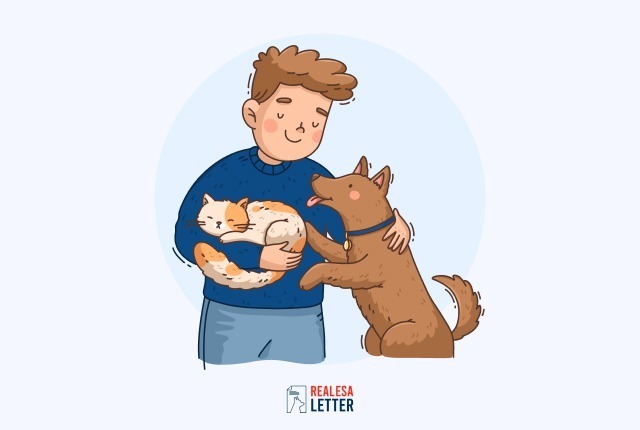
What is an Emotional Support Animal (ESA)?
Emotional support animals (ESAs) are a type of assistance animal that provides support and comfort to individuals with disabilities and mental health conditions. Their companionship is a powerful bridge between the challenges of living with a disability and the ability to lead a more full life.
Emotional support animals provide necessary support to people with disabilities just by being there for them. They provide a sense of comfort, help alleviate loneliness, and can help relieve symptoms of depression or anxiety for their handlers. Unlike service animals like psychiatric service dogs (PSDs), emotional support animals aren’t necessarily trained to perform specific tasks. Their main role is to be a comforting, calming presence and companionship.
What is the Difference Between an Emotional Support Animal and a Service Animal?
Millions of Americans live with emotional and mental health challenges, and for many of them, an assistance animal plays a major part in their therapy. Pet-loving individuals with mental disabilities can choose between adding an emotional support animal (ESA) or service animal into their lives. While they might be similar in nature, they serve their owners in different ways. Service animals perform specific tasks for their humans, while ESAs provide care, affection, and companionship that soothe the symptoms of their mental health condition.
Any domesticated animal, including some unconventional or exotic species, can qualify as an ESA, whereas service animals are usually limited to dogs (or miniature horses, in some cases. If you want to turn your furry feline, scaly snake, or beloved bird into an ESA, all you need is an ESA letter — a document prescribed by a licensed mental health professional (LMHP). Let’s explore the ins and outs of emotional support animals.
How to Qualify for an Emotional Support Animal
To qualify for an emotional support animal there are a few requirements. You must have a documented mental health disability, your emotional support animal must help to alleviate symptoms of that disability, and to obtain a legitimate ESA letter you’ll need to meet with a licensed mental health professional.
You Need to Consult with a Licensed Mental Health Professional (LMHP)
Finally, to qualify for an emotional support animal and obtain the necessary documentation to get an ESA letter, you’ll need to consult with a licensed mental health professional (LMHP). An LMHP can help provide you with a diagnosis, document your disability, and help you create a plan to manage your symptoms that includes an emotional support animal.
Pettable works with a network of licensed therapists and other mental health professionals in all 50 states who are able to provide legal, legitimate ESA Letters.
You Need an ESA Letter
To make your pet into an emotional support animal, you need one document: an official ESA letter. This document serves as a prescription of sorts, provided by an LMHP to validate your need for an ESA as a part of your mental health therapy. This involves a consultation, either in-person or online, where your LMHP will diagnose your mental health disorder before issuing your official ESA letter.
You Must Have a Mental Health Disability
The first requirement to qualify for an emotional support animal is to have a mental health condition or disability. Documentation from your doctor or mental health professional can serve as evidence of a qualifying disability when it comes to getting an emotional support animal letter.
Your ESA Must Help Alleviate a Symptom of Your Disability
Aside from having a qualifying disability, to get an emotional support animal it must also be documented that having one will help to alleviate one or more symptoms of your disability. Emotional support animals can support all kinds of mental health conditions, including but not limited to anxiety, bipolar disorder, depression, post-traumatic stress disorder (PTSD), certain learning disabilities, and some phobias.
What are the Benefits of an Emotional Support Animal?
Emotional support animals aren’t a replacement for medication or other types of treatments, but they can be a vital piece of the puzzle in managing your disability and the symptoms you experience as a result. Emotional support animals are also protected by federal law, offering some legal protections that aren’t available to an ordinary pet. Here are some of the benefits of having an ESA:
- They Provide Companionship – emotional support animals can improve your mental health simply be being there when you need them most.
- You Can Live Anywhere With Your ESA – Protected under the Fair Housing Act, ESAs can live with you in any form of housing, exempt of fees or restrictions.
- They Give You a Routine – Your ESA will need attention and care, and having the regular routine & responsibility of caring for a pet can have significant positive health impacts.
- Provide Relief for a Mental Health Condition – There are numerous mental health disabilities that can benefit from the presences and support of an ESA.
What Does an ESA Letter Protect?
Emotional support animals protect your right to have an assistance animal accompany you when it comes to things like housing and transportation. While emotional support animals don’t have all the same rights as service animals when it comes to public access and public transportation, having an emotional support animal letter protects both you and your ESA.
What is an ESA Letter For?
As the most important document for emotional support animal (ESA) owners, an ESA letter harnesses the power of a federal law that prohibits discrimination against disabled individuals in the area of housing. Whether you’re applying to buy a home or signing a lease for an apartment, an ESA letter enables you to bring your assistance animal along with you in your new home. This document forbids your landlord from denying your animal or charging any additional fees or rent — even if they don’t typically allow pets. It protects any domesticated animal, as long as they stay under your control and don’t pose a threat to other tenants or the property.
Laws for Emotional Support Animals & Service Animals
Individuals living with mental health challenges are protected from discrimination by three federal laws: the Fair Housing Act (FHA), the Air Carrier Access Act (ACAA), and the Americans with Disabilities Act (ADA). Each one protects either service animals or emotional service animals in specific situations ranging from public life and housing to air travel. While ESAs are only protected by the FHA, service dogs benefit from all three.
The Fair Housing Act (FHA)
The FHA prohibits discrimination against disabled individuals in house-buying and rental housing situations. For renters with ESAs, it ensures that your assistance animal can live with you; it also exempts you from pet fees, rent increases, deposits, or other pet-related charges. The law also allows any type of domesticated animal to serve as an ESA, including dogs, cats, birds, snakes, hamsters, lizards, and more. However, your landlord can deny your ESA or evict you based on property destruction or threatening behavior toward other tenants.
The Air Carrier Access Act (ACAA)
If you want to fly the friendly skies with your assistance animal, the ACAA can make it happen. It guarantees that service dogs can accompany their owners in the cabin with them, barring any size constraints. However, it does not guarantee the same privileges to ESAs, which are considered a standard pet for most airlines, but some air carriers make exceptions — as long as you have a legitimate ESA letter.
The Americans with Disabilities Act (ADA)
Enacted in 1990, the landmark ADA protects disabled individuals in every aspect of their lives, including owning a service animal. Since service dogs are trained to perform specific tasks related to their owners’ mental health disorders, they are permitted to accompany them in public accommodations. This includes restaurants, shopping centers, government buildings, medical facilities, and public transportation. However, the ADA does not offer the same protections to ESAs, which are considered pets in these cases.
State-Specific Emotional Support Animal Laws
While the ADA, FHA, and ACAA are federal laws that apply across the United States, some states have their own specific laws regarding emotional support animals. These laws typically reinforce certain rights provided by federal laws, but some expand the rights of ESAs. Some state-specific laws define or expand the requirements for getting an ESA letter in an effort to combat fake ESA letters or other fraudulent ESA-related activities.
Examples include:
- Florida law bans ESAs specifically at bars and restaurants
- Several states, including California and New York, allow ESAs in many workplaces
- Some states, such as Florida, New Jersey, and Minnesota have laws prohibiting false ESA letters and punishing ESA scammers
Where You Can Live With an Emotional Support Animal
The Fair Housing Act (FHA) defines assistance animals as those that provide support or perform tasks for the benefit of an individual with a disability. Generally, individuals with an emotional support animal can live anywhere they would live without an assistance animal.
Landlords are only able to deny an emotional support animal in owner-occupied dwellings with fewer than four tenants, if the unit is a single-family rented by the owner directly and not by an agency, or if the housing unit is operated by a private or religious organization.
Other than these circumstances, landlords legally can’t deny you housing because of an emotional support animal once you provide an ESA letter. The only case where a landlord can deny an emotional support animal is if the ESA letter is not legitimate, or if the animal poses a threat to the health and safety
Can I Travel with My Emotional Support Animal?
Traveling on Airlines with an Emotional Support Animal
When it comes to flying with emotional support animals, airlines aren’t required to transport them or allow them to fly with their handlers like they are service animals under the Air Carrier Access Act (ACAA). Individual airlines are allowed to use their own discretion in creating travel policies related to emotional support animals. For smaller pets that provide emotional support, such as dachshunds, finding comfortable and airline-approved dachshund carriers (or another carrier suitable for your breed) can make the travel experience easier for both the animal and the handler.
What Airlines Allow Emotional Support Animals?
There are airlines that will let passengers travel with emotional support animals in the aircraft cabin, though many major airlines have opted not to offer this service once it was no longer required by the U.S. Department of Transportation. Among these are United, American, JetBlue, Frontier, Alaska, and Southwest Airlines.
Very few airlines still allow ESAs on their flight free of charge, and typically only for specific routes. Two examples of these airlines is LATAM and Volaris. Before making travel plans, it’s always best to check with the individual airline directly before or at the time of booking. This way there are no surprises when it comes time to travel with your emotional support animal by plane.
Staying in Hotels with an Emotional Support Animal
Hotels are considered public places, and unfortunately, under the Americans with Disabilities Act (ADA) emotional support animals don’t have the same public rights access as service animals. While there are many pet-friendly hotels available in different destinations, hotels that restrict pets aren’t required to allow emotional support animals the same way they are service animals.
Some hotels that don’t typically allow pets may allow emotional support animals, and depending on your state they may be allowed to charge an additional fee for doing such. For service animals, hotels must accommodate them free of charge.
Staying in Holiday Rentals with an Emotional Support Animal
When traveling and staying in a rental property with an emotional support animal, the property owner has the right to refuse both pets and emotional support animals. You can try making a polite appeal to the property owner and providing documentation, like an ESA letter, in hopes they might consider making an exception if they typically maintain a no-pets policy.
How to Travel with an Emotional Support Animal
Traveling with any animal can be challenging, but for those who require emotional support animals in their everyday life, the challenge of traveling can be that much greater. Having your companion by your side can be the difference between being able to travel or not.
To make the process of traveling with an emotional support animal as easy as possible, follow these essential travel tips:
- Get a legitimate ESA letter from Pettable and bring a copy with you when you travel
- Do your research and choose airlines and other transportation companies that allow emotional support animals to avoid being denied access
- Inform airlines and other forms of transportation that you have an ESA ahead of time. This way they can be prepared to make accommodations, request any necessary documents for traveling with an assistance animal, and give you time to provide them.
- Make sure your ESA is healthy and well-behaved. This protects you, other passengers, and the crew, and makes it much more likely your ESA will be accepted without issue.
Frequently Asked Questions